Where your journey to parenthood begins—with hope and expert care.

ALBUQUERQUE (505) 702-8020 | EL PASO (915) 600-2220

Caperton Fertility Institute

A Trusted Fertility Clinic Dedicated to Personalized Patient Care

Albuquerque, NM • El Paso, TX • Our Mission is Family™


Led by a board certified reproductive endocrinologist, Caperton Fertility Institute in Albuquerque and El Paso is recognized as a trusted fertility clinic in the Southwest. Supported by an experienced laboratory staff, our reputation for personalized care and consistent pregnancy success attracts patients from across the United States and internationally.

Trusted Fertility Doctors

Dr. Lee Caperton a double Board Certified Reproductive Endocrinologist and Fertility Specialist in New Mexico, renowned for his extensive scientific and clinical research that fosters ongoing advancements in reproductive science.


Dr. Kelly Caperton, a Board Certified OBGYN with over two decades of experience in obstetrics and gynecology, serves as the President of Caperton Fertility Institute.


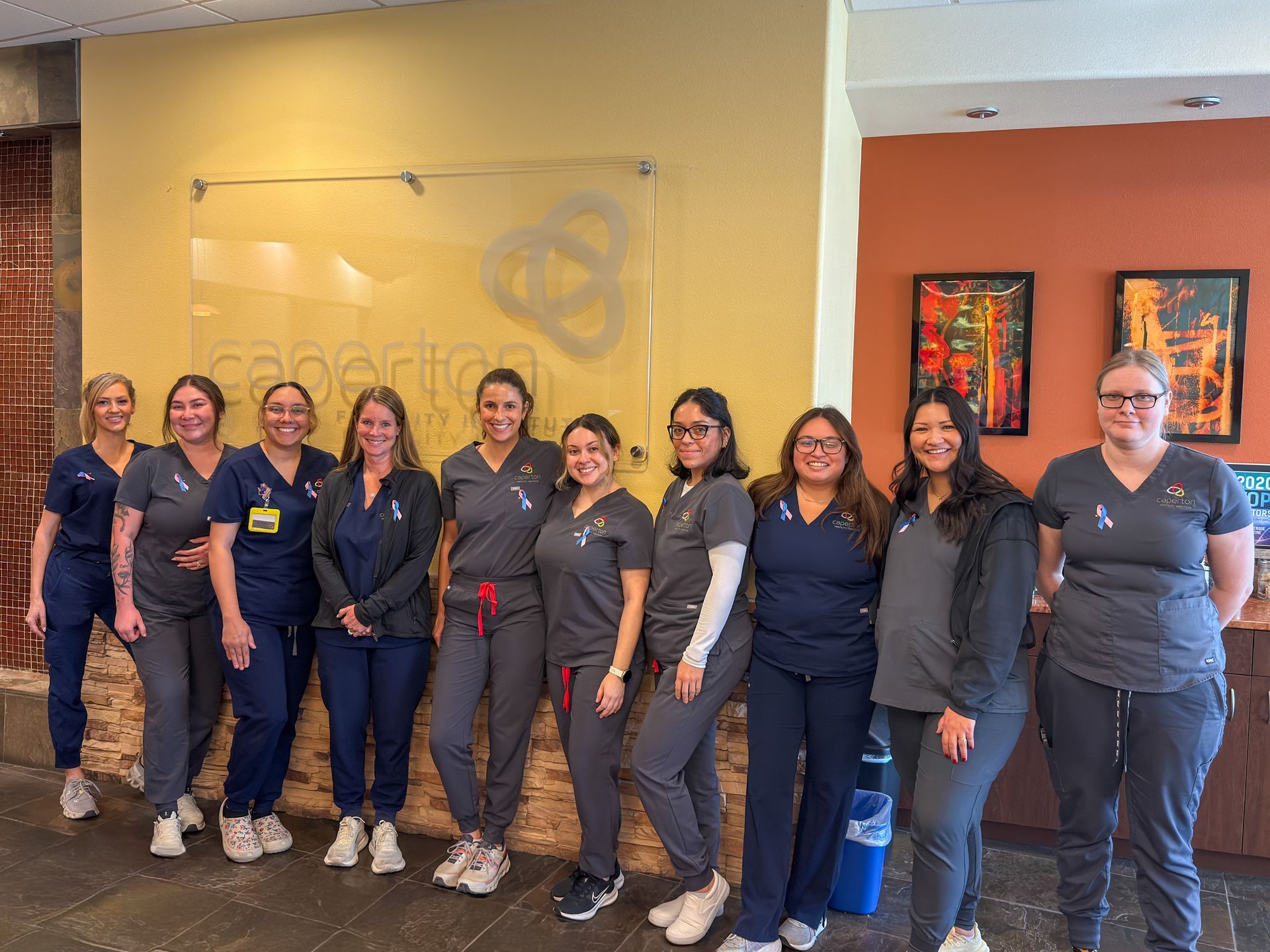
Together with the Caperton Fertility Institute team we bring a wealth of expertise, having helped thousands of individuals in their respective fields to achieve their dreams of becoming parents.

Meet the Team

Caperton Fertility Institute Advanced Fertility Solutions

Providing cutting-edge assisted reproductive technology options for your fertility journey.
Caperton Fertility Institute's Commitment to Patient Information and Education

At Caperton Fertility Institute, we understand the importance of patient information and education in the fertility journey. That's why we've dedicated ourselves to providing patients with the most accurate and comprehensible information available. We believe that knowledge is power, and it's essential for patients to be informed about the various aspects of fertility treatments.


Our clinic has established a reputation for not only offering cutting-edge fertility services but also for ensuring that patients are well-educated about their options. Dr. Lee Caperton, a highly respected Albuquerque fertility doctor, leads our team in delivering personalized patient education programs designed to empower individuals and couples with the understanding they need to make informed decisions.

Learn More

Patient Testimonials

Hear what our patients have to say about their experience at Caperton Fertility Institute.

Left-opening quotation marks.

Life-changing journey made possible with CFI's expertise in reproductive technology. Grateful beyond words!

Sophia M. - Santa Fe, NM

Left double quotation marks.

The caring staff and cutting-edge techniques at CFI guided us through every step with compassion and skill.

Oliver P. - Albuquerque, NM

Opening double quotation marks.

Our dreams of parenthood were realized thanks to the dedication and knowledge of the team at Caperton Fertility Institute.

Emma L. - Los Lunas, NM

Latest Fertility Blog Posts

Providing Hope and Solutions

By Dr. Marika Raff February 3, 2026
When people think about fertility treatment, IVF often comes to mind first. While IVF is an effective and widely known option, it’s important to know that it’s not always the starting point — and for many patients, it may not be necessary at all. Fertility care is not one-size-fits-all. Treatment plans are thoughtfully designed based on your medical history, test results, age, goals, and personal preferences. For many individuals and couples, less invasive treatments can be effective before considering IVF. Here’s a closer look at the fertility treatment “ladder” and the options that may come before IVF. Understanding the Fertility Treatment Ladder The fertility treatment ladder refers to a stepwise approach to care — starting with the least invasive, most appropriate options , and progressing only if needed. This approach helps: Avoid unnecessary treatments Reduce physical, emotional, and financial burden Personalize care for each patient Your care team’s goal is always to recommend the right treatment , not the most aggressive one. Ovulation Induction: Supporting Natural Ovulation Ovulation induction is often one of the first treatments recommended, especially for patients who do not ovulate regularly or predictably. How it works: Oral or injectable medications stimulate the ovaries Ultrasound and hormone monitoring track follicle development Timed intercourse or insemination is planned This option may be helpful for: Irregular or absent ovulation Polycystic ovary syndrome (PCOS) Unexplained infertility Ovulation induction can be a simple and effective first step for many patients. Intrauterine Insemination (IUI): A Minimally Invasive Option IUI involves placing prepared sperm directly into the uterus around the time of ovulation, increasing the chances of fertilization. IUI is often recommended for: Mild male factor infertility Cervical factor infertility Use of donor sperm Unexplained infertility IUI may be done with or without fertility medications, depending on your individual plan. For many patients, IUI offers a balance between increased support and minimal intervention. Lifestyle and Medical Optimization Before or alongside treatment, your care team may focus on optimizing factors that influence fertility, such as: Thyroid function or hormonal imbalances Body mass index (BMI) Underlying medical conditions Timing and frequency of intercourse These adjustments may improve fertility on their own or increase the effectiveness of future treatments. When IVF Becomes the Next Step While IVF isn’t always the starting point, it may be recommended when: Other treatments have not been successful There is severe male factor infertility Fallopian tubes are blocked or damaged Genetic testing is needed Advanced maternal age affects egg quality If IVF becomes part of your journey, it’s because it offers the best chance of success — not because earlier options were skipped or overlooked. Why a Personalized Approach Matters Choosing the right fertility treatment isn’t about speed — it’s about strategy. A thoughtful, step-by-step approach allows patients to feel informed, supported, and confident in their care. At Caperton Fertility Institute, treatment decisions are made collaboratively. Your questions, comfort level, and goals are always part of the conversation. Reassurance for Patients Feeling Overwhelmed If you’re feeling anxious about fertility treatment, know this: IVF is not inevitable for everyone , and it’s never recommended lightly. Many patients conceive with simpler treatments, and even when IVF is needed, it’s introduced with education, preparation, and support — not pressure. You Have Options — and a Team to Guide You No matter where you are on your fertility journey, you deserve care that feels personalized, transparent, and compassionate.  If you’re exploring fertility treatment or wondering what your next step should be, Caperton Fertility Institute is here to help you understand your options and move forward with confidence.
By Dr. Kelly Caperton February 3, 2026
The IVF lab is a highly controlled environment designed to closely mimic conditions inside the human body. Temperature, humidity, air quality, and light exposure are carefully regulated to protect eggs, sperm, and embryos. Inside the lab, embryologists — scientists with specialized training in reproductive biology — handle each step with extreme precision. These professionals play a critical role in IVF success, working quietly and meticulously behind the scenes. Step 1: Egg Retrieval and Immediate Care After ovarian stimulation, eggs are retrieved during a brief outpatient procedure. Once collected, the eggs are immediately brought to the IVF lab. In the lab: Eggs are identified and assessed for maturity Each egg is placed in a nutrient-rich culture medium They are stored in incubators that replicate the body’s natural environment Not every retrieved egg will be mature or usable, which is completely normal. Quality matters far more than quantity at this stage. Step 2: Sperm Preparation On the same day as egg retrieval, sperm is prepared in the lab. Whether sperm comes from a partner or a donor, embryologists carefully process the sample to isolate the healthiest, most motile sperm. This step removes debris and non-motile sperm, allowing embryologists to select sperm with the best chance of fertilizing an egg. Step 3: Fertilization — How Eggs and Sperm Come Together There are two main fertilization methods used in IVF: Conventional IVF Eggs and sperm are placed together in a culture dish, allowing fertilization to occur naturally. ICSI (Intracytoplasmic Sperm Injection) A single sperm is carefully injected directly into each mature egg. This method is often used for male factor infertility, prior fertilization challenges, or when working with frozen eggs or sperm. The following day, embryologists check to see which eggs have successfully fertilized. Step 4: Embryo Development and Monitoring Fertilized eggs become embryos and are closely monitored over the next several days as they divide and grow. Embryos typically develop in the lab for 5–7 days, progressing through key stages: Day 1: Fertilization confirmed Day 3: Cell division continues Day 5–6: Blastocyst stage (the stage most commonly used for transfer or freezing) Throughout this time, embryologists assess embryo development, growth patterns, and overall quality — always prioritizing gentle handling and minimal disruption. Step 5: Embryo Grading — What It Really Means Embryo grading helps embryologists describe how an embryo looks under a microscope. It considers factors like cell structure and development stage. While grading provides useful information, it’s important to know: Grading is not a guarantee of success Lower-graded embryos can still lead to healthy pregnancies Many factors beyond appearance influence outcomes Your care team uses grading as one piece of a much bigger picture when making recommendations. Step 6: Genetic Testing (If Chosen) Some patients choose preimplantation genetic testing (PGT) to screen embryos for chromosomal abnormalities. If PGT is performed: A few cells are biopsied from the embryo Embryos are frozen while testing is completed Results help guide future transfer decisions This step is optional and depends on individual medical history, age, and goals. Step 7: Embryo Freezing and Storage Embryos not transferred immediately can be safely frozen using vitrification — a rapid freezing process that prevents ice crystal formation. Frozen embryos can remain safely stored for years, offering flexibility for: Future family-building plans Delayed transfers Additional children later on Freezing technology has advanced significantly, with excellent survival rates after thawing. The Human Side of the IVF Lab While the IVF lab is full of advanced technology, it’s ultimately powered by people. Embryologists treat every egg and embryo with care, respect, and responsibility — knowing how much hope is attached to each one. For many patients, it’s comforting to know that a dedicated team is advocating for them even when they’re not physically present. Why Understanding the Lab Matters Knowing what happens behind the scenes can: Reduce anxiety during IVF Build trust in the process Help patients feel more informed and empowered IVF is not just a medical procedure — it’s a collaboration between patients, physicians, and embryologists working toward the same goal. You’re Never Just a Number At Caperton Fertility Institute, every egg, embryo, and patient story matters. If you ever have questions about your IVF cycle or what’s happening in the lab, your care team is always here to explain and support you. If you’re considering IVF or want to learn more about your treatment options, we invite you to reach out and schedule a consultation. 
By Dr. Marika Raff January 23, 2026
When people talk about IVF, the focus is often on the medical side—medications, timelines, lab work, and success rates. What’s discussed far less often is the emotional experience , which can be just as intense as the physical process. If you’re feeling overwhelmed, conflicted, hopeful one moment and discouraged the next, you’re not doing IVF “wrong.” These emotional shifts are common—and normal. Here’s what many patients experience emotionally during IVF, even if no one warned them ahead of time. The Emotional Whiplash of Hope and Fear IVF often brings a unique combination of optimism and anxiety. Starting treatment can feel empowering—finally, something is happening. At the same time, that hope may feel fragile, especially if you’ve experienced infertility, loss, or disappointment before. Many patients describe: Feeling excited and terrified at the same time Guarding their optimism to avoid heartbreak Struggling to plan for the future because outcomes feel uncertain This emotional push and pull can be exhausting, and it’s one of the most common aspects of IVF that people don’t expect. Loss of Control (and Why It’s So Hard) IVF places much of the process outside your control—medication schedules, hormone levels, test results, and timing are often dictated by your body and the clinic. Even highly organized, resilient people may feel: Frustrated by last-minute changes Anxious while waiting for updates or phone calls Disconnected from their own body Feeling out of control can be one of the most emotionally challenging parts of IVF, especially for patients used to being proactive problem-solvers. The Two-Week Wait: An Emotional Rollercoaster The time between embryo transfer and pregnancy testing—often called the two-week wait—is widely considered the most emotionally difficult phase of IVF. During this time, patients may experience: Hyper-awareness of every physical sensation Replaying every step of the cycle in their mind Mood swings between confidence and despair Fear of testing too early—or testing at all This waiting period can feel isolating and all-consuming, even when everything medically has gone well. Unexpected Grief (Even During Treatment) IVF can bring up grief in unexpected ways—not just if a cycle fails, but throughout the process. You might grieve: The loss of a “normal” conception experience The version of parenthood you imagined Feeling carefree about pregnancy announcements or baby showers Even successful cycles don’t erase this grief. Many patients feel guilty for mourning while still feeling hopeful—but both emotions can exist at the same time. Relationship Strain and Emotional Distance IVF can impact relationships in ways couples don’t anticipate. Partners may cope differently—one may want to talk constantly, while the other withdraws. Common experiences include: Feeling emotionally out of sync with your partner Pressure to stay “strong” for each other Misunderstandings fueled by stress and fatigue Open communication and compassion—for yourself and your partner—are essential during treatment. You Are Not Weak for Feeling This Way One of the hardest emotional burdens of IVF is the belief that you should be handling it better. Many patients silently wonder why they feel so overwhelmed. The truth is: IVF is emotionally demanding . Feeling anxious, sad, angry, numb, or hopeful—sometimes all in the same day—does not mean you’re failing. It means you’re human. Supporting Your Emotional Well-Being During IVF While you can’t eliminate the emotional challenges of IVF, support can make a meaningful difference. Many patients benefit from: Counseling or fertility-focused therapy Support groups or trusted friends Mindfulness, journaling, or gentle movement Setting boundaries around social media and conversations Most importantly, give yourself permission to feel what you feel—without judgment. You Don’t Have to Carry This Alone IVF is more than a medical treatment; it’s an emotional journey that deserves understanding and compassion. If you’re struggling emotionally during IVF, know that you are not alone—and support is available. Your feelings are valid. Your experience matters. And taking care of your emotional health is just as important as every injection, appointment, and lab result along the way.
By Dr. Lee Caperton January 23, 2026
February is best known for hearts—whether it’s Valentine’s Day cards or American Heart Month. But beyond the decorations and candy, February is an important reminder to talk about heart health , and for individuals and couples trying to conceive, that conversation matters more than many people realize. Your heart and reproductive system are deeply connected. Taking care of your cardiovascular health can play a meaningful role in fertility, pregnancy outcomes, and even IVF success. How Heart Health Impacts Fertility The cardiovascular system is responsible for delivering oxygen and nutrients throughout the body—including to the reproductive organs. When heart health is compromised, blood flow can be affected, which may influence hormone balance, egg and sperm quality, and overall reproductive function. Conditions such as: High blood pressure Diabetes Obesity Elevated cholesterol can all impact fertility in both women and men. These conditions may also increase the risk of pregnancy complications, making heart health important not just for conception, but for a healthy pregnancy as well. Heart Health and Female Fertility In women, cardiovascular health is closely tied to hormonal regulation and ovulation. Poor circulation and chronic inflammation can interfere with: Regular ovulation Endometrial lining development Egg quality Additionally, conditions like polycystic ovary syndrome (PCOS) are often associated with insulin resistance and cardiovascular risk factors, highlighting the overlap between heart health and reproductive health. Heart Health and Male Fertility Heart health matters just as much for male fertility. Research has shown that men with cardiovascular risk factors may experience: Lower sperm count Reduced sperm motility Increased DNA fragmentation Lifestyle habits that support heart health—such as regular exercise, balanced nutrition, and avoiding tobacco—are often the same habits that support healthy sperm production. IVF, Pregnancy, and Cardiovascular Wellness For patients undergoing IVF, optimizing overall health before treatment can improve outcomes and reduce risks. A healthy cardiovascular system supports: Better response to fertility medications Improved uterine blood flow Lower risk of pregnancy-related complications such as preeclampsia or gestational hypertension That’s why fertility specialists often emphasize wellness and lifestyle optimization as part of fertility care. Simple Heart-Healthy Habits That Support Fertility The good news? You don’t need perfection—small, consistent changes can make a difference. Some heart-healthy habits that also support fertility include: Engaging in moderate physical activity most days of the week Eating a balanced diet rich in fruits, vegetables, lean proteins, and healthy fats Managing stress through mindfulness, therapy, or relaxation techniques Getting adequate sleep Avoiding smoking and limiting alcohol intake These steps benefit not only your heart, but your reproductive health as well. February: A Month to Focus on the Whole You Fertility care isn’t just about lab results or treatment cycles—it’s about supporting the whole person. February is the perfect time to reflect on how heart health fits into your fertility journey and to remember that caring for yourself now can have long-term benefits for your future family. If you’re trying to conceive, thinking about IVF, or simply have questions about how your overall health may impact fertility, a fertility specialist can help guide you with personalized care and evidence-based recommendations.  Your heart—and your future—deserve that care. 💙
Show More